Choosing the right cat litter is essential for your cat’s long-term health, hygiene, and comfort. While many litter types are available on the market, not all cat litter is safe or suitable for cats. Some materials may cause respiratory issues, digestive risks, or poor hygiene—especially for kittens, senior cats, or multi-cat households.
In this guide, we explain what cat litter you should not use, why certain types can be problematic, and why natural bentonite clumping cat litter is widely considered one of the safest and most hygienic options.
Why Choosing the Wrong Cat Litter Can Be Harmful
Cats interact with litter every day through:
1.Paw contact
2.Inhalation of dust
3.Grooming behavior (licking paws)
4.Poor-quality or unsafe litter can lead to:
5.Respiratory irritation
6.Digestive risks if ingested
7.Skin sensitivity
8.Poor odor control and hygiene
Types of Cat Litter You Should Avoid
1. High-Dust Cat Litter
Why to avoid ?
1.Produces airborne particles
2.Can irritate cats’ lungs and nasal passages
3.Especially harmful to kittens and senior cats
Common issues
A.Low-grade clay
B.Poor manufacturing control
C.Open, non-sealed production lines
Better alternative:
Low-dust or dust-free bentonite clay cat litter produced in sealed, automated systems.
2. Cat Litter with Chemical Binders or Adhesives
Some plant-based or low-cost litter products use chemical clumping agents or industrial adhesives to improve binding performance.
Potential risks
1.Chemical residues
2.Unknown long-term health effects
3.Reduced safety if cats ingest particles while grooming
Safer choice:
Natural bentonite cat litter forms clumps naturally through montmorillonite, without added binders or glues.
3. Strongly Scented or Artificially Fragranced Litter
Why it’s not recommended
1.Cats have highly sensitive noses
2.Strong perfumes may cause stress or litter box avoidance
3.Can trigger sneezing or discomfort
Recommended:
Unscented or lightly mineral-based deodorizing bentonite clumping litter.
4. Non-Clumping Cat Litter with Poor Hygiene Control
Examples include:
1.Traditional clay (non-clumping)
2.Certain wood pellets
3.Low-absorption paper litter
Drawbacks
1.Urine spreads throughout the box
2.Odor builds up quickly
3.Requires full replacement more often
This can reduce litter box hygiene, especially in multi-cat households.
5. Litter That Dissolves or Breaks Down Too Easily
Some flushable or dissolvable litters may:
1.Break apart when wet
2.Stick to paws
3.Increase tracking around the home
They often lack the odor-locking performance required for warm or humid climates.
Why Natural Bentonite Clumping Cat Litter Is a Safer Choice
High-quality bentonite cat litter is widely used worldwide because it meets both cat health needs and owner hygiene standards.
Key Safety Advantages of Bentonite Cat Litter
1.100% natural mineral origin
2.Contains montmorillonite, enabling natural clumping
3.No chemical clumping agents
4.No adhesives or binders
5.Excellent odor adsorption
6.Easy daily removal of waste
When produced correctly, bentonite litter is non-toxic and safe for daily use.
Learn more about dust-free bentonite solutions:
https://claycatlitter.com
How Cat Litter Choice Affects Replacement Frequency
Changing cat litter regularly is essential—but how often you change it depends on several factors:
1. Cat Litter Quality
A.High-quality bentonite litter: longer-lasting, cleaner
B.Low-absorption litter: faster odor buildup
2. Number of Cats
- One cat: slower saturation
B.Multiple cats: requires stronger clumping and odor control
3. Cat Age and Health
A.Kittens: more frequent use
B.Senior cats: higher hygiene requirements
General Recommendation
With premium bentonite clumping cat litter, full replacement is typically needed every 3–4 weeks, while clumps should be removed daily.
Choosing the Right Manufacturer Matters
Not all bentonite cat litter is the same. Manufacturing standards play a key role in safety.
High-quality manufacturers focus on:
1.Pure bentonite raw material
2.Dust-control technology
3.Fully enclosed, automated production
4.No chemical additives
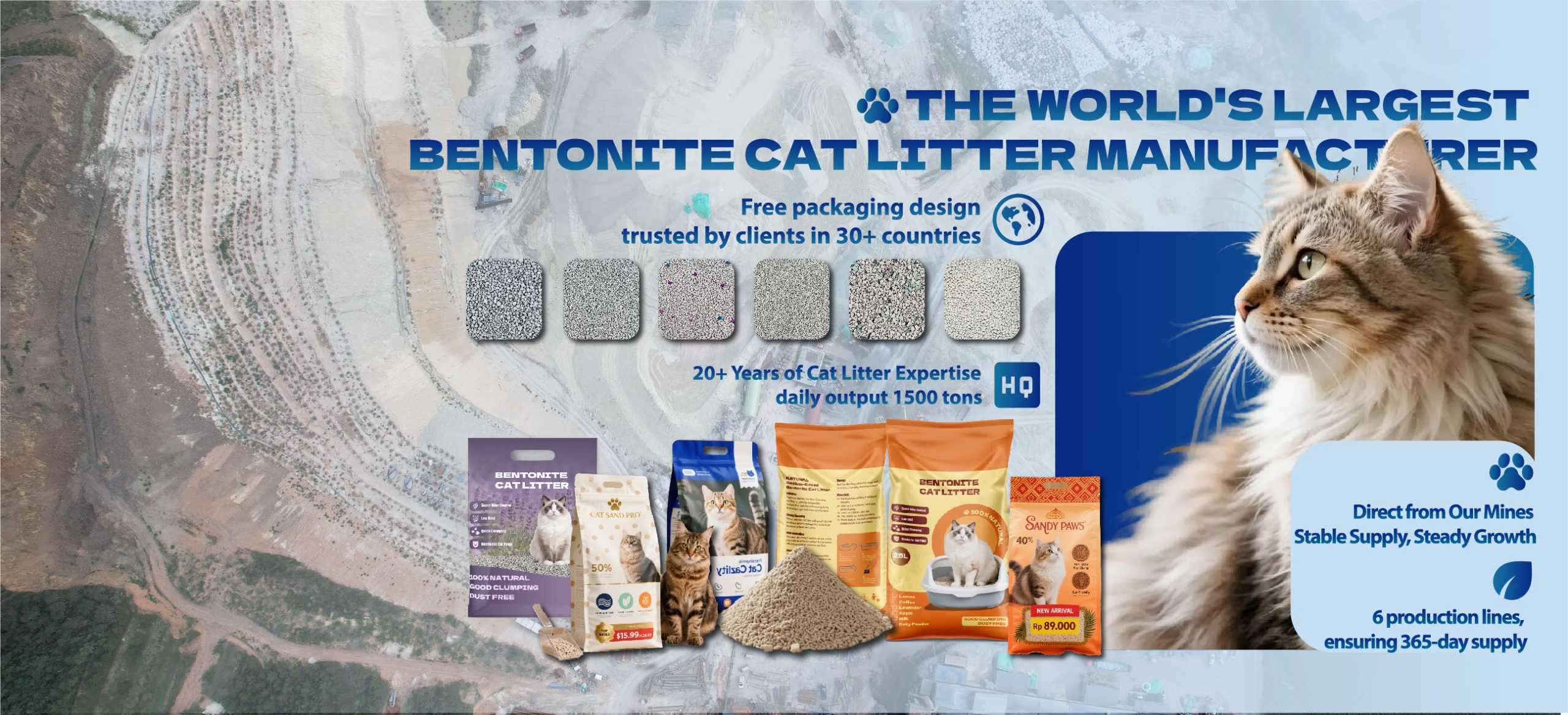
Professional suppliers like Lingshuai specialize in natural, dust-free bentonite cat litter, supplying global brands and private-label partners.
Related resource:
https://claycatlitter.com

Conclusion
When deciding what cat litter you should not use, avoid products that are:
1.High in dust
2.Chemically bound
3.Overly scented
4.Poor in odor control
For long-term cat health, hygiene, and ease of maintenance, natural bentonite clumping cat litter remains one of the safest and most reliable choices when produced under strict quality standards.